


Eczema Care
Pengobatan Dermatitis Wajah & Kulit Sensitif di Singapura
Scroll Down
Apa itu Dermatitis Wajah?
Peradangan dan iritasi yang mempengaruhi kulit wajah yang sensitif / tipis.
Dermatitis Wajah adalah peradangan pada kulit wajah yang menyebabkan kemerahan, kekeringan, gatal, atau pengelupasan, yang sering kali dipicu oleh iritasi, produk perawatan kulit, atau kondisi yang mendasari seperti Eksim. Kulit Sensitif lebih reaktif, dengan rasa perih atau kemerahan bahkan dari produk yang ringan sekalipun. Karena kulit wajah lebih tipis dan lebih terbuka, kulit sensitif sangat rentan terhadap iritasi dan kambuh.
Atopic Eczema on the Face
Dry, itchy patches on the cheeks, eyelids or around the mouth, often in people with eczema elsewhere on the body.
Contact Dermatitis
Irritation or an allergic reaction to something that touches the face, such as skincare, makeup, fragrance, hair dye or nickel.
Seborrhoeic Dermatitis
Red, flaky skin around the eyebrows, sides of the nose and hairline, linked to yeast that lives naturally on the skin.
Perioral Dermatitis
Small red bumps around the mouth, nose or eyes, sometimes triggered by heavy creams or steroid use on the face.
Eyelid Dermatitis
Itchy, swollen or scaly eyelids. The skin here is very thin and reacts easily to cosmetics and airborne allergens.
Kapan Pengobatan Diperlukan?
Direkomendasikan ketika kemerahan, iritasi, atau ketidaknyamanan pada wajah berkelanjutan atau memburuk dan tidak membaik dengan penyesuaian perawatan kulit dasar. Kambuh berulang, reaksi produk yang sering terjadi, atau kekhawatiran tentang kondisi inflamasi yang mendasari juga harus dievaluasi.
Meredakan peradangan dan memperkuat Kulit Sensitif.
Pengobatan yang efektif berfokus pada mengidentifikasi pemicu, pengurangan peradangan, dan pemulihan Sawar Kulit. Rencana pengobatan disesuaikan secara individual untuk meminimalkan iritasi sekaligus meningkatkan ketahanan dan kenyamanan kulit secara keseluruhan.
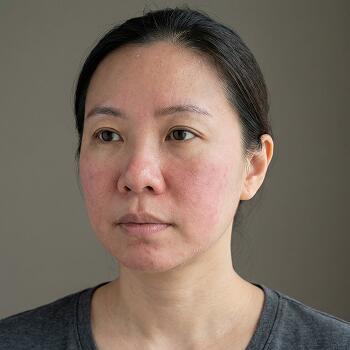
Manfaat Pengobatan Dermatitis Wajah
Dengan perawatan medis yang tepat, Dermatitis Wajah dan Kulit Sensitif dapat distabilkan dengan aman dan efektif.
01
Mengurangi kemerahan, iritasi, dan ketidaknyamanan
02
Peningkatan kekuatan dan toleransi Sawar Kulit
03
Lebih sedikit reaksi terhadap produk perawatan kulit
04
Kondisi kulit yang lebih konsisten dan stabil
Facial Eczema in Babies and Children
Eczema on the cheeks and around the mouth is very common in babies and young children, and their skin needs extra-gentle care. Learn more about our approach to infant and child eczema treatment.
FAQs
Frequently Asked Questions
This page is medically reviewed by Dr Lynette Lee.
Dr Lee is a medical doctor with a focused interest in dermatology and has worked in the Dermatology department at KK Women's and Children's Hospital since 2015. Read more about Dr Lynette Lee

Ready to Enhance Your Skin Health?
Speak with our team for a personalised assessment and treatment plan tailored to your skin concerns and goals.