


Eczema Care
Facial Eczema, Dermatitis & Sensitive Skin Treatment in Singapore
Scroll Down
What Is Facial Dermatitis or Facial Eczema?
Inflammation and irritation affecting the delicate skin of the face.
Facial dermatitis is inflammation of the facial skin, causing redness, dryness, itching, or flaking, often triggered by irritants, skincare products, or underlying conditions like eczema. Sensitive skin is more reactive, with stinging or redness even from mild products. As facial skin is thinner and more exposed, it is especially prone to irritation and flare-ups.
Types of Facial Dermatitis
Several conditions can cause red, itchy or flaky skin on the face. Each is treated a little differently.
Atopic Eczema on the Face
Dry, itchy patches on the cheeks, eyelids or around the mouth, often in people with eczema elsewhere on the body.
Contact Dermatitis
Irritation or an allergic reaction to something that touches the face, such as skincare, makeup, fragrance, hair dye or nickel.
Seborrhoeic Dermatitis
Red, flaky skin around the eyebrows, sides of the nose and hairline, linked to yeast that lives naturally on the skin.
Perioral Dermatitis
Small red bumps around the mouth, nose or eyes, sometimes triggered by heavy creams or steroid use on the face.
Eyelid Dermatitis
Itchy, swollen or scaly eyelids. The skin here is very thin and reacts easily to cosmetics and airborne allergens.
Common Triggers of Facial Eczema
Facial skin meets more potential irritants than almost anywhere else on the body. Common triggers include:
- Fragranced skincare, makeup and hair products
- Over-cleansing, scrubs and exfoliating acids
- Heat, sweat and wearing face masks
- Saliva and food around the mouth in children
- Stress and lack of sleep
- Sudden changes in climate or air-conditioning
When to See a Doctor for Facial Eczema
Recommended when facial redness, irritation, or discomfort is persistent, worsening, or not improving with basic skincare adjustments. Recurrent flare-ups, frequent product reactions, or concerns about underlying inflammatory conditions should also be evaluated.
How Facial Eczema Treatment Works
Effective management focuses on identifying triggers, reducing inflammation, and repairing the skin barrier. Treatment plans are individualised to minimise irritation while improving overall skin resilience and comfort. At your first visit, we review your skincare and makeup routine product by product, examine the pattern of your rash, and decide whether patch testing would help.
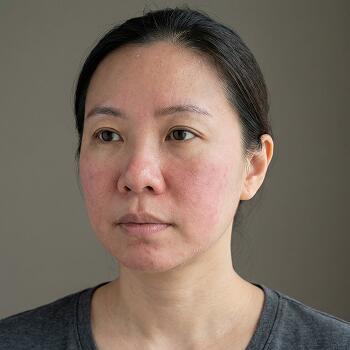
Treatment Options for Facial Eczema and Dermatitis
| Approach | How it helps | Notes |
|---|---|---|
| Gentle skincare reset | Removes irritants and lets the skin recover | Simple cleanser, fragrance-free moisturiser, fewer products |
| Anti-inflammatory creams | Calm redness, itch and flaking | Chosen for thin facial skin; steroid and non-steroidal options |
| Patch testing | Identifies allergic contact dermatitis | Useful when products or jewellery seem to trigger flares |
| Treating yeast or infection | Targets causes of seborrhoeic or infected dermatitis | Based on the doctor’s assessment |
| Barrier repair plan | Improves tolerance over time | Ongoing, with reviews as the skin settles |
Benefits of Treatment for Facial Dermatitis
With appropriate medical care, facial dermatitis and sensitive skin can be stabilised safely and effectively.
01
Reduced redness, irritation, and discomfort
02
Improved skin barrier strength and tolerance
03
Fewer reactions to skincare products
04
More consistent and stable skin condition
Facial Eczema in Babies and Children
Eczema on the cheeks and around the mouth is very common in babies and young children, and their skin needs extra-gentle care. Learn more about our approach to infant and child eczema treatment.
FAQs
Frequently Asked Questions
This page is medically reviewed by Dr Lynette Lee.
Dr Lee is a medical doctor with a focused interest in dermatology and has worked in the Dermatology department at KK Women's and Children's Hospital since 2015. Read more about Dr Lynette Lee

Ready to Enhance Your Skin Health?
Speak with our team for a personalised assessment and treatment plan tailored to your skin concerns and goals.