


Eczema Care
Eczema (Atopic Dermatitis) Treatment in Singapore
Scroll Down
What is Eczema?
A chronic inflammatory skin condition that causes dry, itchy, and sensitive skin.
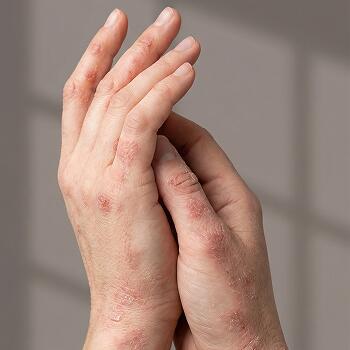
Eczema, also known as atopic dermatitis, is a long-term condition linked to a weakened skin barrier and immune system overactivity. It commonly presents with redness, dryness, itching, and recurrent flare-ups.
In children, eczema often affects the face and limbs, while adults may experience it on the hands, neck, eyelids, or skin folds. The condition tends to relapse over time, requiring structured and consistent management.
Signs and Symptoms of Eczema
Eczema can look different from person to person and can change during a flare-up. Common signs include:
01
Dry, rough or scaly skin
02
Intense itch, often worse at night
03
Red or darker patches, depending on skin tone
04
Small bumps that may weep or crust
05
Thickened skin from repeated scratching
06
Cracked, sore skin on the hands or fingers
Types of Eczema
‘Eczema’ covers several related skin conditions. Knowing which type you have helps guide treatment.
Atopic Dermatitis
The most common type. It often starts in childhood and is linked to a weakened skin barrier, asthma and hay fever.
Contact Dermatitis
A reaction to something that touches the skin, such as soaps, fragrances, metals or skincare products. It often affects the hands and face. Read more about facial dermatitis and sensitive skin.
Dyshidrotic Eczema and Pompholyx
Itchy, sometimes blistering eczema on the palms, fingers or soles, often triggered by frequent hand washing, sweat or irritants.
Nummular Eczema
Coin-shaped patches of itchy, inflamed skin, usually on the arms or legs.
Seborrhoeic Dermatitis
Red, flaky skin around the scalp, eyebrows and sides of the nose.
What Triggers Eczema Flare-Ups?
Eczema flares are often set off by everyday triggers. Common ones in Singapore’s warm, humid climate include:
- Heat and sweat
- Harsh soaps, detergents and fragranced products
- Dust mites and pet dander
- Rough or synthetic fabrics
- Stress and poor sleep
- Skin infections
Identifying your own triggers is part of a long-term plan to reduce flare-ups.
When to See an Eczema Doctor in Singapore
Recommended when symptoms are persistent, widespread, interfere with sleep, or do not respond to basic moisturising care. Frequent or severe flare-ups may require medical therapy to control inflammation and prevent complications.
Our Approach to Eczema Treatment
Effective eczema care involves calming active inflammation, restoring skin barrier function, identifying triggers, and maintaining stability to reduce recurrence. Your first visit starts with a detailed assessment of your skin, history and daily routine. From there, we build a structured treatment plan that covers what to apply, when and how much, and how to step treatment up or down as your skin changes. For moderate to severe flares, selected patients may benefit from outpatient wet wrap therapy at our clinic.
Common Eczema Treatment Options
| Treatment | How it helps | When it may be used |
|---|---|---|
| Moisturisers and barrier repair | Rehydrate the skin and strengthen the skin barrier | Every day, including when skin is clear |
| Topical anti-inflammatory creams (corticosteroids and non-steroidal options) | Calm redness, inflammation and itch | During flare-ups, as prescribed |
| Wet wrap therapy | Intensive hydration and cooling under damp and dry layers | Moderate to severe or widespread flares |
| Treating infection | Clears bacterial or viral infection on eczema skin | When skin is oozing, crusted or painful |
| Oral or injectable medicines | Control inflammation from within | Severe eczema that does not respond to topical care |
| Trigger management and education | Reduces flare-ups from irritants, heat, sweat or allergens | Ongoing, as part of long-term management |
Your doctor will recommend the options that suit your skin, your age and how severe your eczema is.
Benefits of Eczema Treatment
With appropriate medical care, eczema can be controlled safely and effectively.
01
Reduced frequency and severity of flare-ups
02
Improved comfort and better sleep quality
03
Stronger, more resilient skin barrier
04
Lower risk of infection with personalised long-term care strategies
Eczema Care for Babies, Children and Adults
Eczema affects people at every age, and treatment is adjusted to suit each stage, from a baby's delicate skin to adult hand eczema. For babies, infants, toddlers and school-aged children, see our dedicated children's eczema treatment page.
FAQs
Frequently Asked Questions
This page is medically reviewed by Dr Lynette Lee.
Dr Lee is a medical doctor with a focused interest in dermatology and has worked in the Dermatology department at KK Women's and Children's Hospital since 2015. Read more about Dr Lynette Lee.

Ready to Enhance Your Skin Health?
Speak with our team for a personalised assessment and treatment plan tailored to your skin concerns and goals.